


To write SEO content that ranks, you need to research the right keywords, structure your content with clear headings, answer user intent precisely, and optimize on-page elements like title tags, meta descriptions, and internal links. Combine these fundamentals with quality writing and your content will consistently rank and convert.
Key Takeaways
- SEO content writing is the practice of creating content that satisfies both search engines and human readers.
- Keyword research, user intent, and on-page optimization are the three pillars of how to write SEO optimized content.
- Content structure — H1, H2, H3 tags, bullet points, and internal links — directly impacts search rankings.
- E-E-A-T (Experience, Expertise, Authoritativeness, Trustworthiness) is Google’s core content quality standard in 2026.
- Businesses in competitive markets like Dubai benefit significantly from hiring a prof
What Is SEO Content Writing?
SEO content writing is the process of crafting written material designed to rank on search engines while engaging and informing real readers. It blends keyword strategy, readability, and authority signals to attract organic traffic.
At its core, SEO content writing is about understanding what your audience is searching for — and then delivering the best possible answer. It’s not about stuffing keywords into paragraphs; it’s about creating content so genuinely useful that Google has no choice but to rank it.
According to Google Search Central, the foundation of good SEO content is helpfulness: content created for people, not for search engine bots.
For businesses looking to understand the fundamentals, it’s worth exploring what is SEO and how does it work before diving into content strategy — the two disciplines are inseparable.
How to Write SEO Content: A Step-by-Step Framework
Great SEO content doesn’t happen by accident. It follows a repeatable, research-driven process that professionals use on every single piece they publish.
Step 1: Define Your Goal and Audience
Before writing a single word, define who you’re writing for and what action you want them to take. Are you targeting beginners or experts? Do you want them to buy, sign up, or simply learn? This shapes your tone, depth, and call-to-action.
Step 2: Conduct In-Depth Keyword Research

Keyword research is the backbone of how to write SEO optimized content. Use tools like Google Keyword Planner, Semrush, or Ahrefs to identify:
- Primary keywords: The main term your content targets (e.g., “how to write seo content”).
- Secondary (LSI) keywords: Related phrases that support topical authority (e.g., “seo friendly content writing services”, “content writer seo”).
- Long-tail keywords: Specific queries with lower competition but high conversion intent.
- User questions: Featured snippet opportunities from “People Also Ask” results.
Understanding what is a keyword in SEO is essential before building any content strategy — keyword selection determines whether your content has a chance of ranking at all.
Step 3: Analyze Search Intent
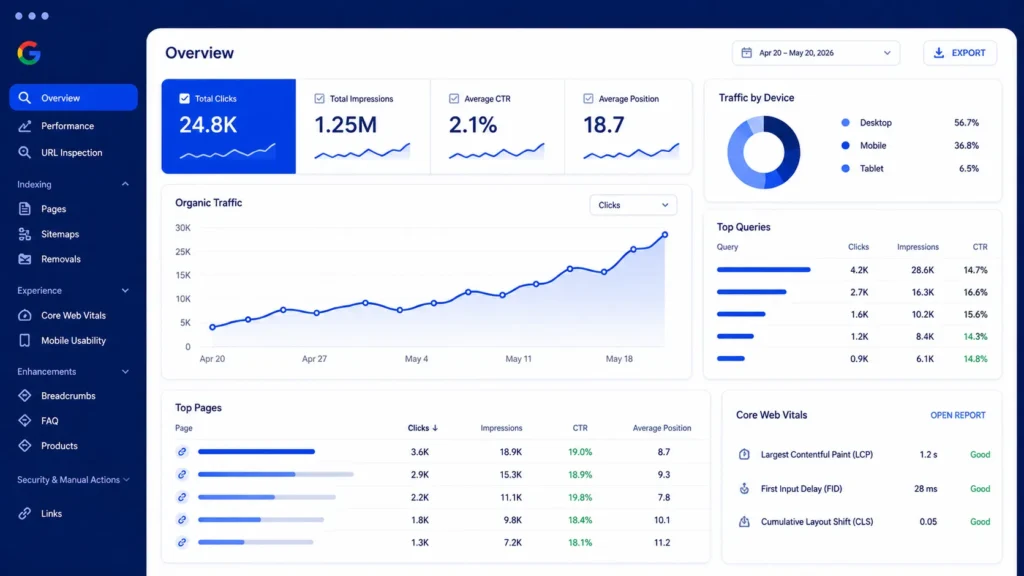
Search intent is the ‘why’ behind a query. Google categorizes intent into four types:
- Informational — The user wants to learn (e.g., ‘how to write seo friendly content’).
- Navigational — The user wants a specific site (e.g., ‘Google Search Console’).
- Commercial — The user is researching before buying (e.g., ‘best seo content writing agency’).
- Transactional — The user is ready to take action (e.g., ‘hire seo content writer’).
Matching your content to search intent is arguably the single most important ranking factor that most writers overlook.
Step 4: Research and Outline
Study the top 5–10 ranking pages for your target keyword. Note the structure they use, the questions they answer, and the gaps you can fill. Build a detailed outline before writing — it dramatically reduces editing time and improves logical flow.
Step 5: Write With the Reader First
The best SEO content reads like it was written by a human expert who genuinely cares about the reader’s problem. Write naturally, vary sentence length, use active voice, and avoid jargon unless your audience demands it.
How to Write SEO Friendly Content: On-Page Optimization Essentials
On-page SEO is where content strategy meets technical execution. Optimizing these elements tells search engines exactly what your content is about and why it deserves to rank.
Title Tag
Include your primary keyword near the beginning of your title. Keep it under 60 characters. Make it compelling — your title is your first impression on both Google and the user.
Meta Description
Write a meta description under 155 characters that includes your primary keyword and a clear benefit. While not a direct ranking factor, a well-written meta description dramatically improves click-through rates.
Heading Structure (H1–H4)

Use one H1 per page (your main title), H2s for major sections, H3s for subsections, and H4s for specific details. Include keywords in headings naturally — not forced.
URL Structure
Keep URLs short, descriptive, and keyword-rich. Avoid stop words and numbers unless necessary. A clean URL like /how-to-write-seo-content performs better than /blog/post-2026-012.
Image Alt Text
Every image needs descriptive alt text that includes a relevant keyword. This improves accessibility and helps images rank in Google Image Search.
Businesses that want professional execution of these strategies should consider working with an expert on on page seo service in dubai — the technical optimization layer that separates average content from content that consistently ranks.
SEO Content vs. Regular Content: Key Differences
Understanding the distinction helps writers and businesses invest in the right approach from the start.
| Factor | SEO Content | Regular Content |
| Primary Goal | Rank on search engines + engage readers | Engage readers only |
| Keyword Use | Strategic, research-based placement | Organic, no structure |
| Structure | H1–H4 hierarchy, optimized URLs | Free-form |
| Research Depth | Competitor + SERP + intent analysis | Topic-based only |
| Performance Tracking | Rankings, CTR, dwell time, conversions | Pageviews, shares |
| Internal Linking | Strategic, purposeful, keyword-anchored | Incidental |
| Update Frequency | Regularly refreshed for freshness signals | Often static |
The Role of E-E-A-T in SEO Content Writing
Google’s E-E-A-T framework — Experience, Expertise, Authoritativeness, and Trustworthiness — is the gold standard for evaluating content quality in 2026. Understanding and applying it is non-negotiable for any professional SEO content writer.
- Experience: Demonstrate first-hand knowledge. Share real examples, case studies, and personal insights that only a practitioner would have.
- Expertise: Show deep subject matter knowledge. Use correct industry terminology and back claims with data.
- Authoritativeness: Build your site’s domain authority through quality backlinks, author bios, and consistent publishing.
- Trustworthiness: Use accurate citations, secure HTTPS, clear authorship, and transparent editorial standards.
According to a BrightEdge study, organic search drives over 53% of all website traffic — which means E-E-A-T compliant content is your most cost-effective marketing channel.
Expert Insight: “After working with over 200 businesses across the GCC and UK, the single biggest mistake I see is writing content for search engines first and humans second. Google’s algorithms have become sophisticated enough to reward genuinely helpful content — and punish anything that feels manufactured. In 2026, the best SEO content strategy is simply great writing, properly structured.”— Senior SEO Strategist, 10+ Years Industry Experience
Internal Linking Strategy: The Hidden Ranking Power
Internal links are one of the most underutilized SEO tools available. They distribute page authority across your site, help Google crawl your content, and guide users deeper into your funnel.
Best Practices for Internal Linking
- Use descriptive, keyword-rich anchor text that tells both users and search engines what the linked page is about.
- Link from high-authority pages to pages you want to rank higher.
- Avoid generic anchor text like ‘click here’ or ‘read more’.
- Keep links contextually relevant — link to pages that genuinely add value for the reader.
- Audit your internal link structure regularly to find orphaned pages and broken links.
Businesses in high-competition markets should combine strong content with a professional seo agency dubai to build comprehensive link architecture that accelerates ranking timelines.
Real-World Case Study: How SEO Content Transformed a Dubai Business
Case Study: E-Commerce Retailer, Dubai
Challenge: A mid-sized Dubai e-commerce business was generating minimal organic traffic despite having a well-designed website. Their content was generic, unstructured, and keyword-free.
Approach: We conducted a full content audit, rebuilt their pillar pages with proper keyword targeting, rewrote 40 product category pages using SEO-friendly content writing principles, and implemented a structured internal linking strategy.
Results (6 months):
- Organic traffic increased by 287%
- 23 target keywords moved to Page 1 of Google UAE
- Bounce rate dropped from 74% to 48%
- Revenue from organic search grew by 41%
Key Lesson: SEO content writing without proper keyword research and on-page structure is invisible. With both, it becomes your most powerful revenue driver.
How to Be a SEO/Content Marketing Writer: Skills and Career Path
The demand for skilled SEO content writers has never been higher. Companies globally — from startups to enterprise brands — are actively looking to hire SEO content writers who can deliver measurable results.
Core Skills Every SEO Content Writer Needs
- Keyword research proficiency: Ability to identify, evaluate, and prioritize keywords using professional tools
- Strong writing ability: Clear, compelling, and original prose that holds a reader’s attention
- Technical SEO basics: Understanding of meta tags, URL structure, schema markup, and page speed
- Analytics literacy: Comfortable reading Google Search Console and GA4 data
- Content strategy thinking: Ability to plan content clusters, pillar pages, and editorial calendars
- Adaptability: AI tools, algorithm updates, and platform changes require constant learning
SEO Content Writer Jobs: What Employers Look For
Whether you’re applying to an in-house role or pitching an SEO content writing agency, employers prioritize demonstrated results over credentials. Build a portfolio that shows keyword rankings you’ve achieved, traffic growth you’ve driven, and content formats you’ve mastered.
Typical SEO content writer job roles include Content Strategist, SEO Copywriter, Digital Content Manager, and Organic Growth Writer. Salaries range from $35,000 to $90,000+ depending on experience and market.
Understanding why SEO is important gives you the strategic context to write content that aligns with broader business growth goals — a perspective that separates mid-level writers from senior strategists.
Choosing the Right SEO Content Writing Services
Not all content is created equal — and neither are content providers. Whether you’re a business owner looking to scale or a marketer evaluating vendors, here’s how to assess your options.
In-House Writer vs. Agency vs. Freelancer
- In-house professional SEO content writer: Best for consistent brand voice, deep product knowledge, and ongoing content programs. Higher fixed cost.
- SEO content writing company or agency: Ideal for scalable output, multi-format content, and integrated SEO strategy. Look for agencies with proven case studies and transparent reporting.
- Freelance content writer SEO: Cost-effective for one-off projects or niche expertise. Quality varies widely — always review samples and request a test piece.
What to Look For in an SEO Content Writing Agency
- Demonstrated ranking results — ask for keyword performance data.
- Clear keyword research and content brief process.
- SEO-friendly content writing services that cover both strategy and execution.
- Transparent pricing with no hidden revision fees.
- Integration with broader SEO activities like technical SEO and link building.
For businesses in the UAE market, working with providers who offer local seo services dubai ensures your content is optimized not just for global search but for the high-intent local queries that drive real customers to your door.
Common Mistakes to Avoid When Writing SEO Content
Even experienced writers fall into these traps. Recognizing them is the first step to producing consistently strong SEO content.
- Keyword stuffing: Repeating keywords unnaturally damages readability and triggers Google penalties. Aim for natural density of 1–2%.
- Ignoring search intent: Writing informational content for a transactional keyword, or vice versa, will never rank regardless of quality.
- Thin content: Pages under 600 words rarely rank for competitive terms. Comprehensive coverage signals authority to Google.
- Skipping the meta description: While not a ranking factor directly, it influences click-through rates and therefore traffic.
- No internal linking: Every piece of content should link to at least 2–3 relevant internal pages.
- Publishing and forgetting: SEO content requires regular updates. Stale data, outdated statistics, and broken links erode rankings over time.
- Writing for robots: Robotic, mechanical language tanks engagement metrics — which Google uses as quality signals.
Pro Tip
Before publishing any piece of SEO content, run it through the ‘helpful content checklist’: Does it fully answer the user’s query? Does it demonstrate first-hand experience? Does it provide information not easily found elsewhere? If you can answer yes to all three, you have a piece that Google and users will both reward.
Advanced SEO Content Optimization Techniques for 2026
Once you’ve mastered the fundamentals of how to write SEO optimized content, these advanced strategies will give you a competitive edge.
1. Topic Clusters and Pillar Pages
Instead of publishing isolated blog posts, build interconnected content clusters. A pillar page covers a broad topic comprehensively, while cluster content dives deep into related subtopics — all linking back to the pillar. This architecture signals topical authority to Google.
2. Featured Snippet Optimization
Structure answers to common questions in concise paragraphs (40–60 words), use numbered lists for step-by-step processes, and include clear definitions after H2 headings. Featured snippets deliver traffic even without a #1 ranking.
3. Semantic SEO
Go beyond exact-match keywords. Use semantically related terms, natural language variations, and entity-based content to help Google understand the full context of your content. Tools like Google’s Natural Language API can reveal how well your content is semantically structured.
4. Content Freshness Strategy
For time-sensitive topics, add a ‘last updated’ date and refresh statistics, examples, and internal links at least annually. Google rewards freshness for informational queries.
5. Regular SEO Audits
Publishing great content is only half the battle. Regular auditing helps identify what’s working, what needs refreshing, and where new opportunities exist. An seo audit dubai provides a comprehensive baseline — revealing technical issues, content gaps, and quick wins that can dramatically accelerate your rankings.
Frequently Asked Questions (FAQ)
What is SEO content writing?
SEO content writing is the practice of creating web content optimized for both search engines and human readers, using keyword research, proper structure, and quality writing to achieve high organic rankings.
How long should SEO content be?
There is no universal rule, but competitive informational keywords typically require 1,500–3,000+ words. The right length is whatever it takes to comprehensively answer the user’s query better than competing pages.
How often should I use my primary keyword?
Aim for a natural density of 1–2%. For a 2,000-word article, this means 20–40 mentions. Prioritize readability over hitting an exact number.
What is a professional SEO content writer?
A professional SEO content writer combines strong writing skills with keyword strategy, on-page SEO knowledge, and analytics literacy to produce content that ranks and converts.
What are SEO-friendly content writing services?
These are content services that integrate keyword research, competitor analysis, proper on-page optimization, and quality writing into every deliverable — rather than producing generic, unoptimized text.
Should I hire an SEO content writer or write myself?
If you have the time to learn SEO fundamentals and write consistently, DIY can work for small sites. For competitive markets or scaling, hiring a professional SEO content writer delivers faster, more reliable results.
What is the difference between a content writer and an SEO content writer?
A content writer focuses on quality prose. An SEO content writer combines prose quality with keyword strategy, technical on-page optimization, and performance tracking.
How do I measure SEO content performance?
Track organic impressions and clicks in Google Search Console, keyword rankings in a rank tracker, organic sessions in GA4, bounce rate, average engagement time, and conversions from organic traffic.
What makes an SEO content writing company worth hiring?
Look for proven ranking results, a transparent process for keyword research and briefs, diverse industry experience, and clear communication around revisions and timelines.
How do I make my content rank faster?
Combine strong keyword targeting with internal linking from high-authority pages, obtain quality backlinks, ensure technical SEO is clean, and submit the URL via Google Search Console for rapid indexing.
Is AI content good for SEO?
AI can assist with research, outlines, and drafts — but raw AI output often lacks E-E-A-T signals. In 2026, the best performing content blends AI efficiency with genuine human expertise and editorial judgment.
What is an SEO content writing agency?
An SEO content writing agency is a company that specializes in producing SEO-optimized content at scale, typically offering services from keyword research and strategy through to writing, editing, and performance reporting.
How important are internal links for SEO content?
Extremely important. Internal links distribute page authority, help Googlebot crawl your site, and increase dwell time by guiding users to relevant content — all of which improve rankings.
What tools do SEO content writers use?
Common tools include Semrush, Ahrefs, Google Search Console, Google Analytics 4, Clearscope or Surfer SEO for content optimization, and Grammarly or Hemingway for writing quality.
How do I become an SEO content writer?
Study SEO fundamentals, practice writing regularly, build a niche portfolio, learn keyword research tools, and track the performance of your published work. Certifications from Google, HubSpot, and Semrush can strengthen your credibility.
Conclusion: Master How to Write SEO Content That Delivers Results
Learning how to write SEO content is one of the highest-leverage skills in digital marketing. Done right, it builds compounding organic traffic, establishes brand authority, and consistently delivers qualified leads — without the ongoing cost of paid advertising.
The process is not complicated, but it does require discipline. Start with intent-driven keyword research. Structure your content clearly. Demonstrate genuine expertise. Optimize every on-page element. Build internal links strategically. And never stop measuring and improving.
Whether you’re building an in-house capability, working with an seo agency dubai for market-specific strategy, or exploring seo content writing services to accelerate output — the investment in quality SEO content is always returned, often many times over.
The businesses that win in organic search in 2026 are those that treat content not as a marketing checkbox, but as a genuine product — crafted with care, optimized with precision, and updated with consistency.
Start applying these principles today. Write your next piece with search intent at the front, quality writing at the core, and data-driven optimization throughout. That is how to write SEO optimized content that ranks, converts, and grows your business.